An Artist, Mentor, and Friend
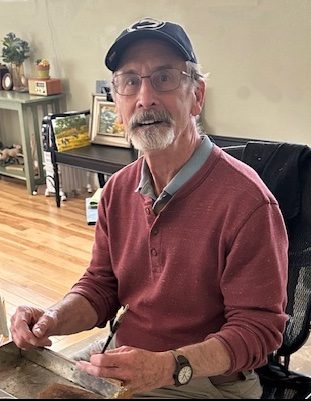
Over the past six years, Palmer Lake Art Group (PLAG) members have enjoyed Mark Dixon’s painting and drawing workshops, plein air events, programs, and lively art discussions. Mark has quickly become a mentor and friend to many in the group. His professional experience and artistic talent are impressive, but what truly sets him apart is his generosity in sharing his knowledge, time, and encouragement with fellow artists.
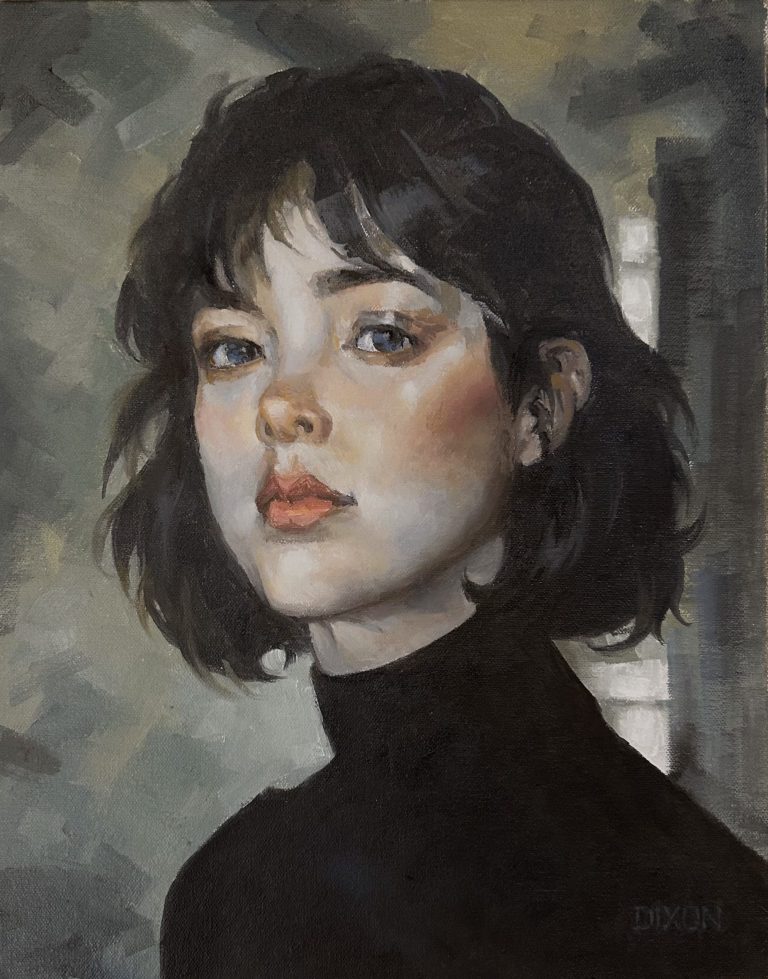
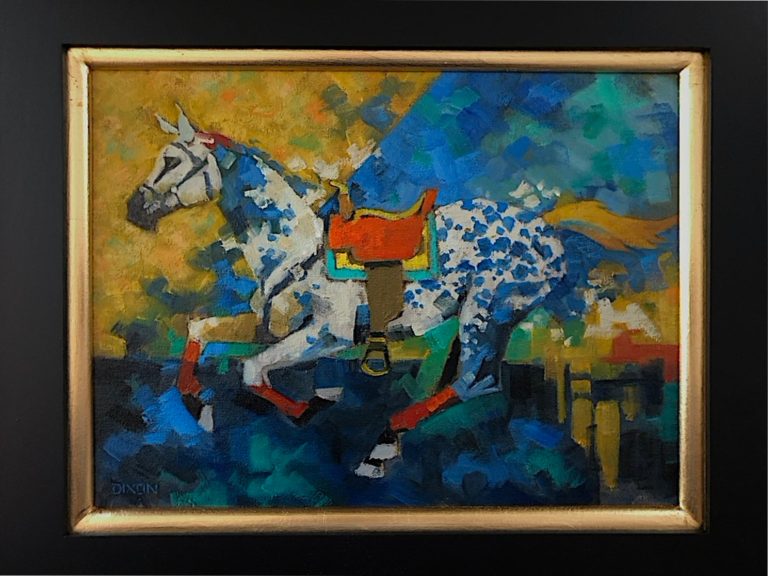
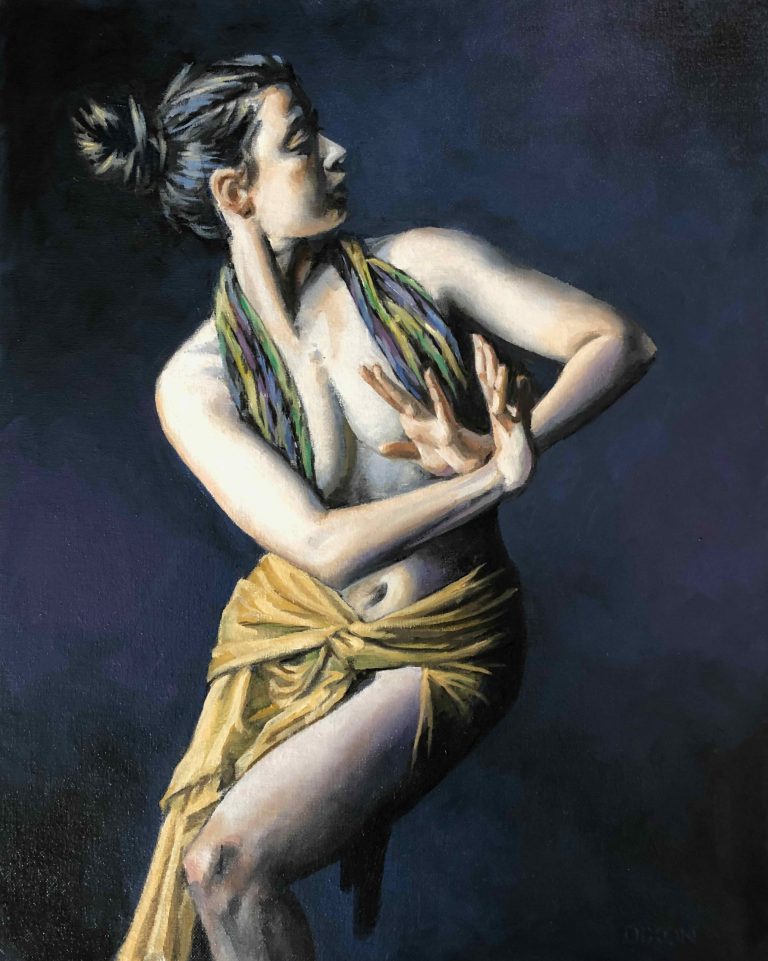
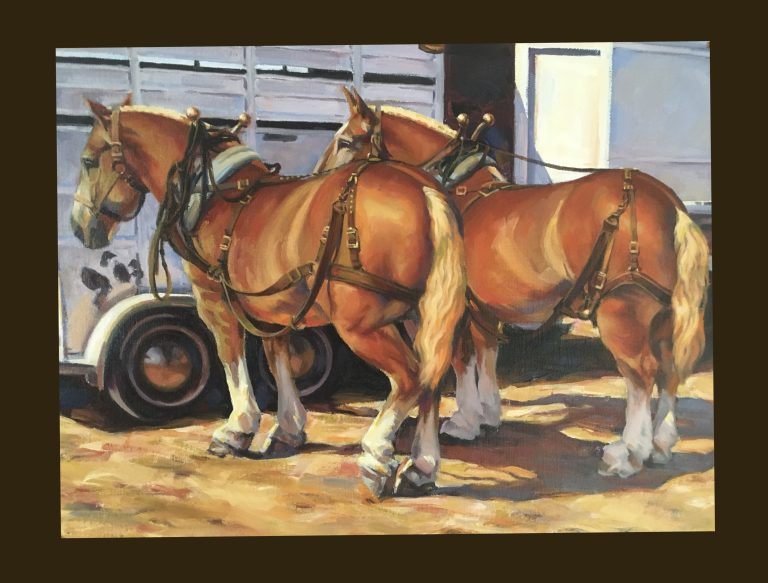
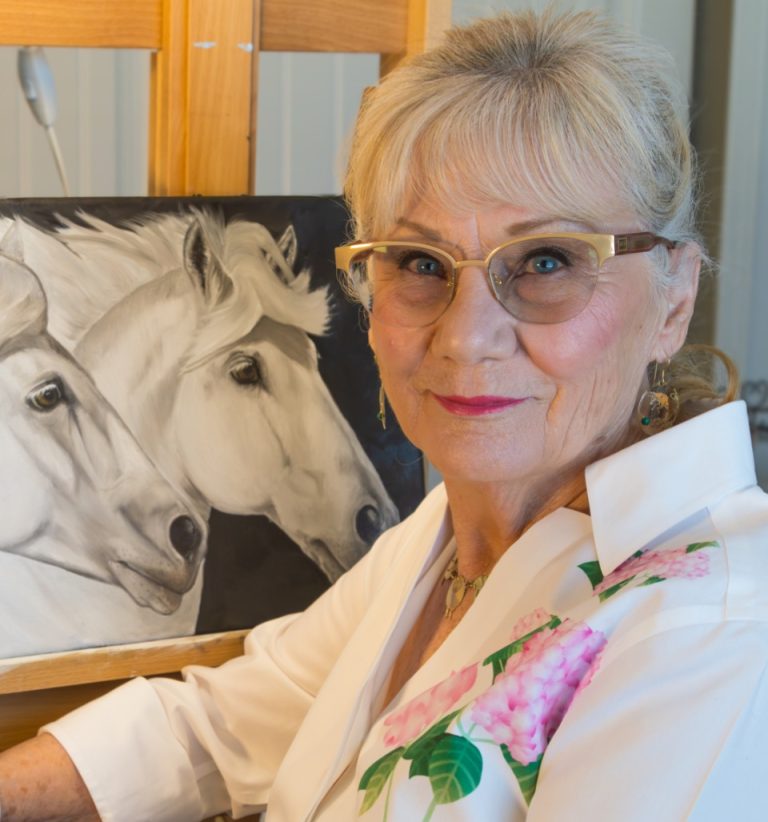
A prolific artist, Mark’s oil paintings have earned recognition throughout the Pikes Peak region, including multiple honors at PLAG exhibitions. Yet his greatest contribution may be the confidence and inspiration he gives to others. PLAG member Betty Rousch recently shared that “Mark has helped me advance my art skills so much that my husband can see the difference! Plus, his critiques are always kind and helpful, a difficult combination to find in a teacher.”
A Journey into Art
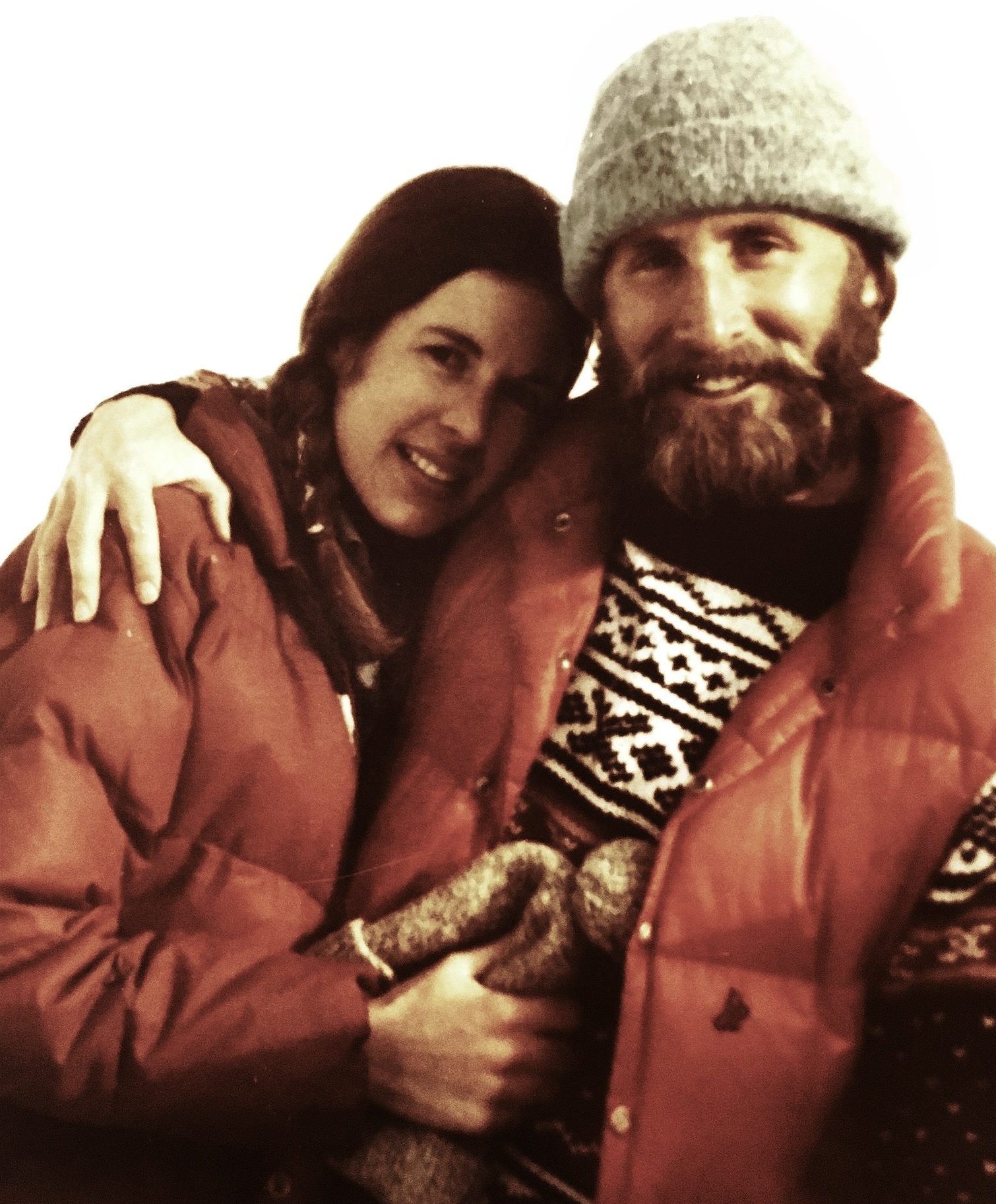
Mark grew up in Pennsylvania, where he enjoyed drawing as a child. Although he initially pursued a different path, earning a Bachelor of Science degree in Marketing from Penn State, Colorado eventually became home. In 1971, Mark and a close friend literally flipped a coin to decide between moving to Boston or Denver. Colorado won, and Mark headed west.
Meeting his soon-to-be wife, Barbara, during a painting class at the University of Denver, they began their adventure together spending two years working and skiing in Aspen. It was Barb who encouraged Mark to take his artistic interests more seriously and pursue a career in art. The couple subsequently moved to Fort Collins, where Mark completed a degree in fine art at Colorado State University.
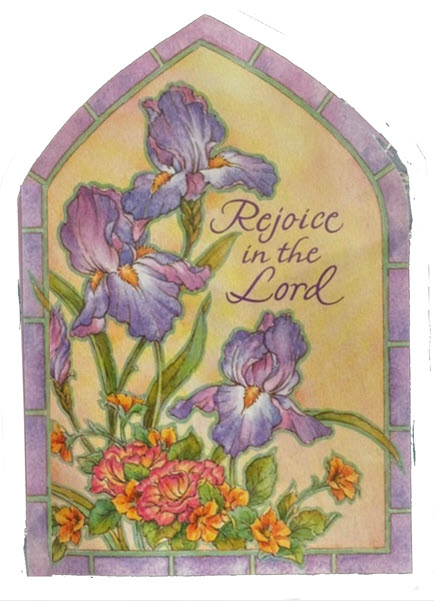
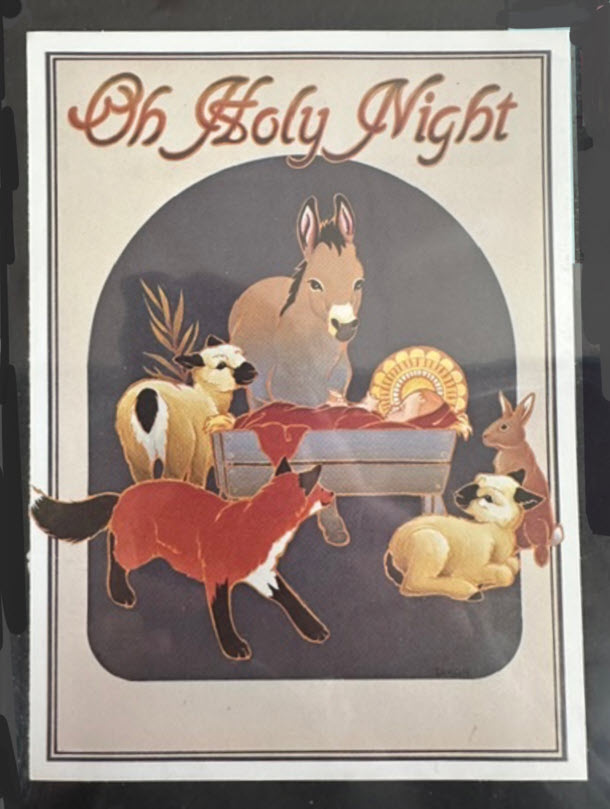
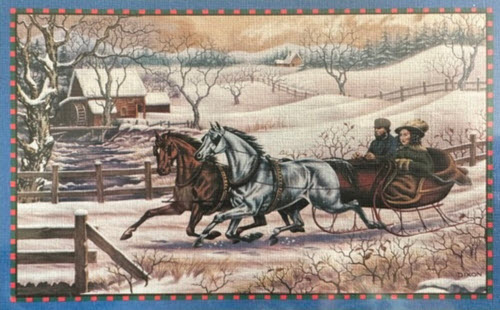
Upon graduation Mark was recruited by Hallmark Cards in Kansas City. There, he gained valuable experience in commercial illustration, working alongside a talented group of artists and creative professionals. At the time, much of the artwork for retail markets was still created by hand.
Eventually, Mark returned to Colorado to work for Current Greeting Cards, where he spent 23 years. During that time, the commercial art world underwent a significant transformation as digital tools such as Photoshop and Wacom drawing tablets became part of the retail design and illustration process. Mark embraced these new technologies, building a foundation that would serve him well throughout both his professional career and with his personal artwork.
What Inspires His Art?
Mark is drawn to subjects that make a strong visual impression. Sometimes it is the subject itself that catches his attention; other times, it is the arrangement of color, value, and shapes that makes an image compelling.
For Mark, the emotional response to a scene is important. An image must connect with him on some level before he commits to painting it. That initial attraction helps determine how he will approach the subject, whether through realistic representation, stylization, or a more abstract interpretation.
His artistic influences span generations and styles. Among the landscape painters he admires are Clyde Aspevig, Mark Boedges, and Scott Christensen. He also appreciates the design work of Mark English and Milton Glaser among others. When speaking of Sorolla, he points to his mastery of light and fleeting shadows, along with his bold brushwork. And while Mark could continue with numerous artists who have influenced his work, he finished up with Carolyn Asnerson for the way she is able to indicate elements without rendering every detail and her mastery of lost edges.
Even with his wide array of influencers, one common thread runs throughout: strong drawing skills and thoughtful design. These qualities are central to how he approaches his own work.
From Idea to Canvas
Mark’s creative process begins well before the brush touches the canvas. Once he has selected a subject, he considers how best to interpret it. Will it be realistic, stylized, or somewhat abstracted? How can the composition be strengthened? Which colors and values will best communicate the feeling of the image?
He often begins with rough sketches to work through compositional ideas and sometimes explores color strategies at this stage. He may use pencil drawings or quick digital sketches to solve problems before beginning the finished painting. When transferring a drawing to canvas, he occasionally uses a grid to help maintain accuracy.
His background in commercial illustration and digital design gives him an unusually broad set of tools for approaching traditional art. Rather than seeing technology and painting as separate disciplines, Mark has found ways for each to inform the other.
The Importance of Drawing
When Mark offers advice to other artists, he keeps it straightforward: “Painting is just drawing with a brush.”
He believes artists should draw and paint as often as possible because nothing can replace the experience gained through consistent practice. He also encourages artists to take advantage of the many instructional resources available today, including online tutorials and classes, while remembering that not all instruction is equally valuable.
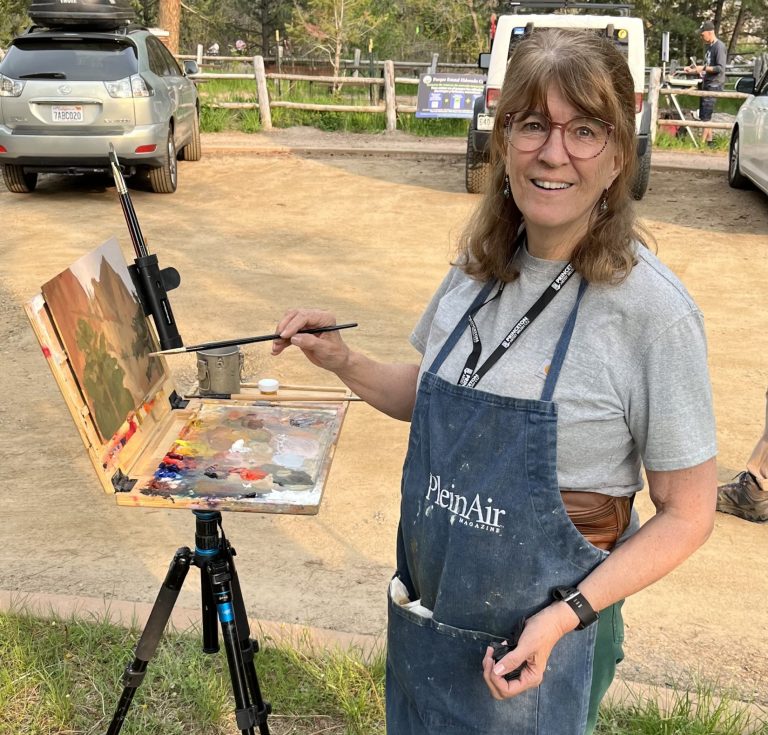
Mark’s own experience reflects the importance of continuous learning. Through life-drawing classes at the Manitou Art Center and additional classes at Cottonwood Center for the Arts, he has continued exploring different mediums, including watercolor, gouache, and oils. He is an active member of both PLAG and the Plein Air Artists of Colorado (PAAC), enjoying opportunities to learn, exhibit, and connect with other artists throughout the region.
Family, Home, and a New Chapter
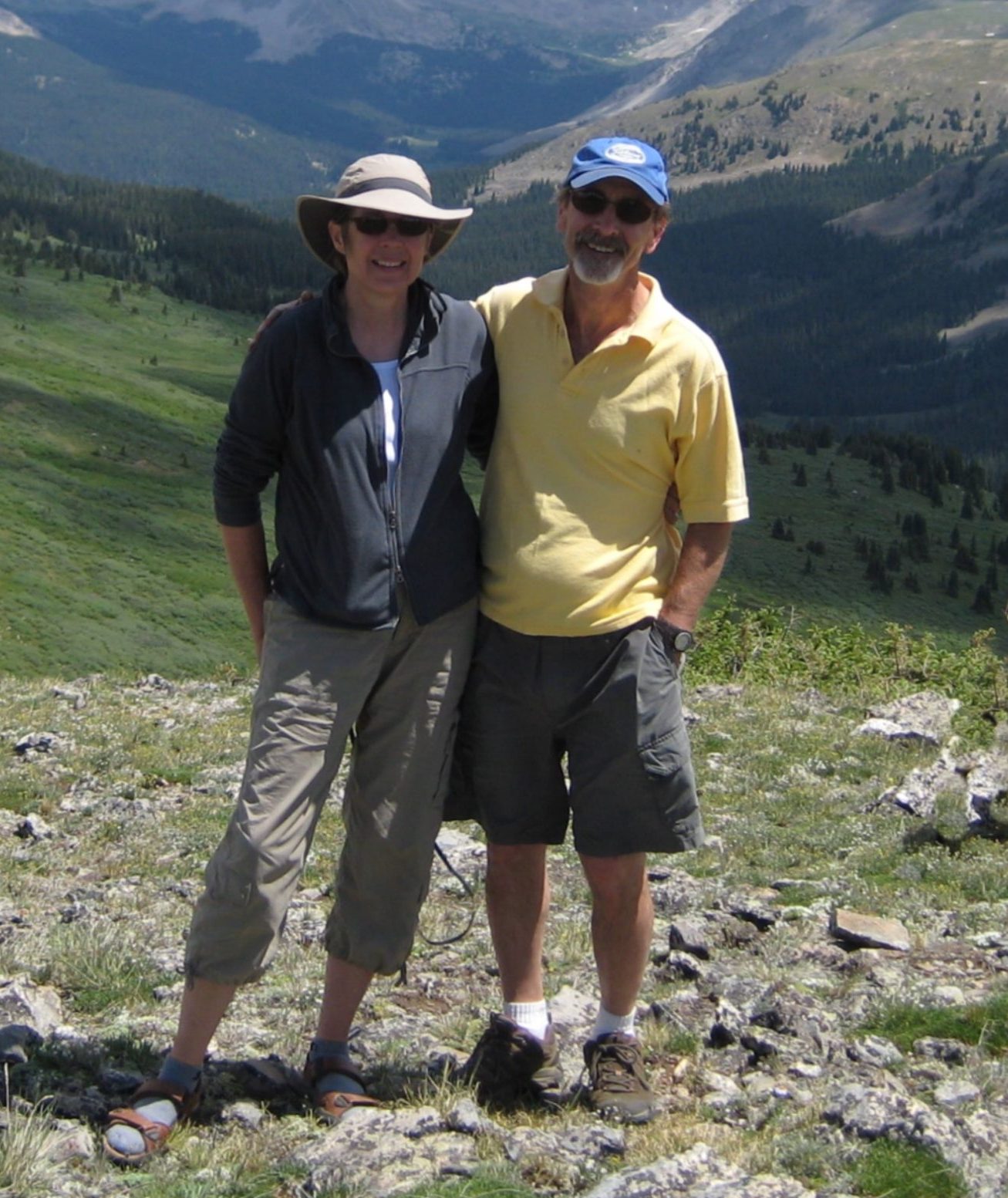
Mark and Barbara have been married for 52 years and raised two children, Lauren and Ryan. Today, they enjoy having four grandchildren living nearby.
But it was in 2013 that tragedy struck their family, when the Black Forest Fire destroyed their home, including their lifelong collection of artworks and family treasures. Rebuilding their lives brought them to the Tri-Lakes area, where they now live in a rural setting and maintain a studio. The studio has provided Mark with a place to create art and continue teaching programs on a regular basis.
Finding a Home with PLAG
Mark and Barb became acquainted with the Palmer Lake Art Group after Mark began exhibiting his work at Bella Art and Frame in Monument. The gallery’s owner at that time, Ethan Alstrom, encouraged them to attend upcoming PLAG events. Those invitations opened the door to new friendships, exhibition opportunities, and an ongoing connection with the local art community.
Mark appreciates the opportunity to spend time with artists at every stage of their development. Watching emerging artists grow and discover their own approaches has also helped him see familiar things from a fresh perspective.
That spirit of shared learning is a natural fit for PLAG, where artists encourage one another and celebrate the creative process together.
Member Rita Bates perhaps summed up Mark’s character best: “As a friend, Mark is quietly giving of his knowledge and hospitality. As an artist, he speaks with authority and creates thought-provoking design, expressive lines, and exquisite color. It’s hard to say if he’s a better friend or a better artist; and he’s quite the artist!”
Continuing to Create Despite Challenges
Mark’s commitment to art has been tested over time by significant vision loss that makes drawing and painting more difficult. Rather than allowing these difficulties to define his artistic life, Mark has drawn upon his years of experience in digital design to find new ways to work.
His knowledge of Photoshop and Procreate, combined with magnification technology and considerable trial and error, has helped him adapt his creative process through digitization. What is important to him remains: original art created using digital tools that are simply a different medium where all the issues that involve doing traditional artwork with canvas and brushes still apply. From subject matter to composition, digital design also requires the artist to draw and paint with tools that respond to the many decisions artists make every time they step in front of an easel.
With the support of his family and friends, he has persevered in finding ways to engage with the work he loves. His journey is a reminder that an artist’s creativity is not defined solely by physical ability, but also by curiosity, experience, adaptability, and the desire to keep creating.
The Art of Giving Back
Mark Dixon’s story is about much more than a successful career in art. It is about a lifelong willingness to learn, an openness to new ideas, and a genuine desire to help others grow.
Through his paintings, teaching, thoughtful critiques, and friendships, Mark has made a lasting impression on the Palmer Lake Art Group. His professional knowledge is a gift to the group, but his quiet generosity and enthusiasm for art may be his most enduring contributions.
For Mark, art continues to be a source of connection, discovery, and joy—and the PLAG community is fortunate to share in that journey.
Interviewed by Kathleen Seelye, PLAG Web site Coordinator